
20 Common Event Production Mistakes and How to Avoid Them
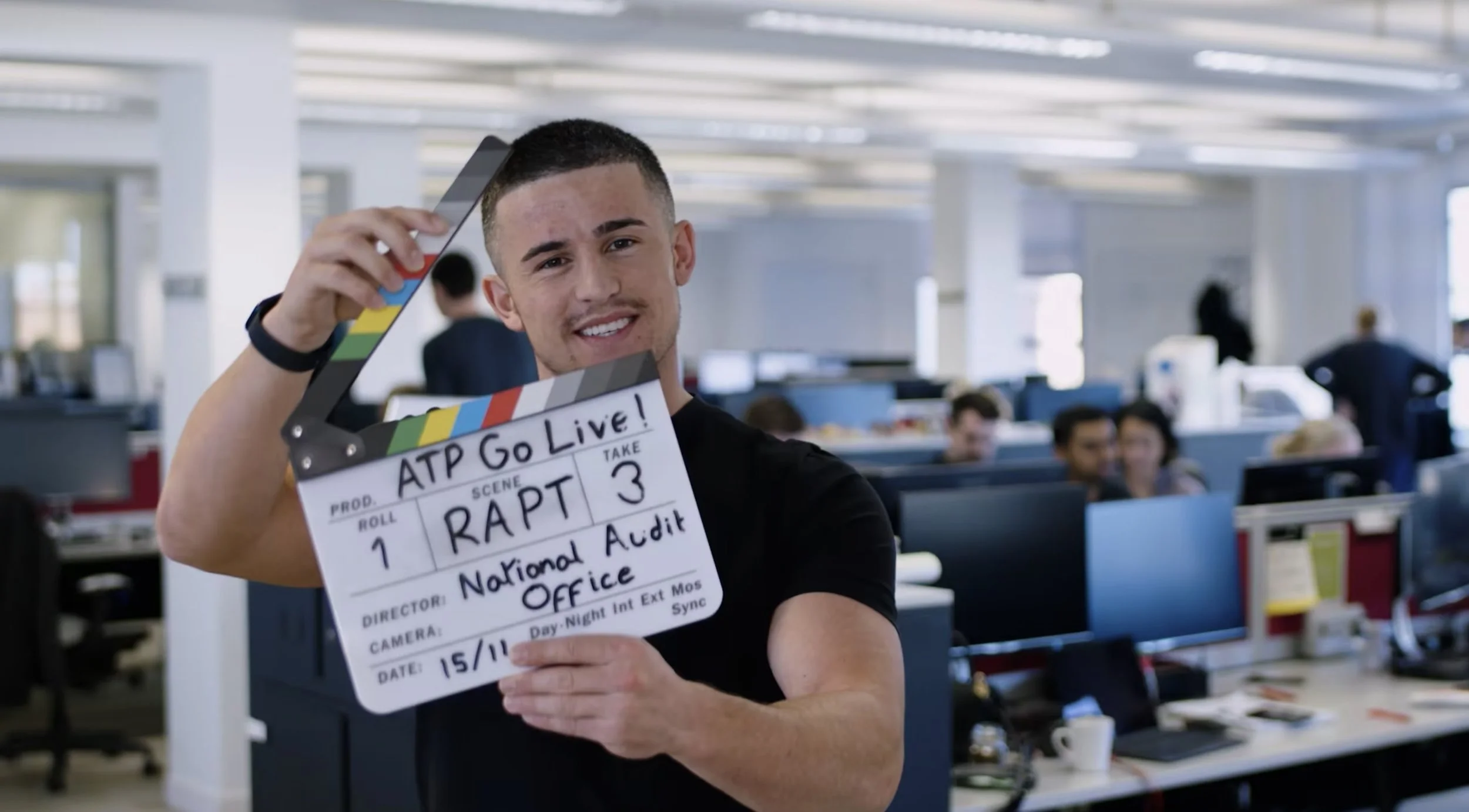
Inclusive Digital on site for a National Audit Office event
Effective event production is what transforms an event from average to exceptional, but even experienced organisers can overlook small details that lead to technical issues, scheduling delays, or a poor attendee experience. The good news is that most event production mistakes are entirely preventable. Here are 20 of the most common pitfalls and how to avoid them.
1. Leaving Planning Too Late
Successful conference planning begins months or even a year in advance. Early planning gives you time to secure suppliers, confirm venues, and resolve any unexpected challenges.
2. Choosing the Wrong Venue
Your venue should support your audience size, technical requirements, accessibility needs, and event objectives. Always visit the venue before making a final decision. Bigger venues aren’t always better; a venue that is too large for the audience can make the event feel empty.
3. Underestimating AV Requirements
Poor sound or inadequate visuals can quickly undermine an event. Investing in professional event production is an insurance that your audio, lighting, and displays perform well on the day.
4. Not Testing Equipment
Every microphone, presentation, video feed, and lighting cue should be tested before guests arrive. Technical rehearsals save time and reduce stress.
5. Ignoring Internet Requirements
Modern events often use livestreaming, presentation software, and audience interaction tools that rely on stable and speedy internet. Always verify internet speeds and arrange dedicated connectivity if required.
6. Having No Backup Plan
Equipment failures and last-minute changes happen. Backup laptops, microphones, internet connections, and presentation files help minimise disruption.
7. Creating an Unrealistic Schedule
Build extra time into your event agenda. Allow for speaker changes, audience questions, networking, and unexpected delays. An all-day event that runs long into the evening can feel exhausting for audience members.
8. Poor Communication Between Suppliers
Everyone involved should understand the event schedule, responsibilities, and contact points. Regular planning meetings help keep everyone aligned.
9. Forgetting the Audience Experience
It's easy to focus on logistics while overlooking attendee comfort. Clear signage, comfortable seating, good visibility, and quality sound all contribute to a better experience.
10. Neglecting Stage Design
Your stage is the focal point of the event. Professional staging, lighting, and branding create a polished appearance and reinforce your company's image.
11. Skipping Speaker Briefings
We shouldn’t assume that speakers are experienced in presenting, but even experienced presenters benefit from knowing the event schedule, stage layout, microphone setup, and presentation timings. Always ensure speakers know if their presentation is going to be filmed or livestreamed.
12. Overlooking Lighting
Lighting affects both the in-person experience and recorded footage. Well-designed lighting improves visibility, enhances branding, and creates atmosphere.
13. Poor Audio Quality
Attendees may forgive many things, but they won't forgive not being able to hear the speakers. High-quality microphones and professional sound engineering are essential.
14. Ignoring Hybrid Audiences
If you're broadcasting online, remember that virtual attendees have different needs. Ensure camera angles, presentation slides, and audio quality work equally well for remote viewers. Engage them through use of polling, Q&As, virtual scheduling, speaker bios and online networking.
15. Not Allowing Time for Rehearsals
Rehearsals identify issues before the event begins. It also gives speakers and technicians confidence on the day.
16. Ignoring Branding Opportunities
From freebies like tote bags and pens to presentation templates and signage, consistent branding creates a more professional and memorable event.
17. Understaffing the Event
Trying to manage registration, speakers, technical support, and attendee enquiries with too few people often leads to unnecessary stress and delays.
18. Failing to Prepare for Emergencies
Every event should have contingency plans for medical incidents, technical failures, severe weather, or venue issues. Preparation helps your team respond quickly and confidently.
19. Forgetting Post-Event Follow-Up
The event doesn't end when the audience leaves. Recordings of your event taken by a professional production team such as ourselves are a great tool to re-engage the audience long after your event has finished. Share recordings, presentation slides, thank-you emails, and feedback surveys to maximise the value of your event. Merch that the audience can take home keeps the event fresh in their minds for much longer.
20. Trying to Manage Everything In-House
One of the biggest event production mistakes is assuming everything can be managed internally. From coordinating suppliers and troubleshooting technical issues to managing professional filming and livestreaming, there are many moving parts that require specialist expertise. An experienced event production company such as our team at Inclusive Digital ensures your audio, video, graphics, and live broadcasts run smoothly and technical issues are dealt with efficiently. This allows your team to focus on delivering a successful, stress-free event while creating a polished experience for both in-person and online audiences.
Professional Event production is the key to delivering events that run smoothly, engage your audience, and leave a lasting impression. By avoiding these common mistakes and partnering with an experienced production team, you can ensure your event is a success from start to finish.
Speak with our production team today because every event is unique:
inclusive@inclusivenetwork.com
Phone
020 8050 1419